Have you ever noticed that not all vapes taste the same? Some deliver rich, smooth flavor with a satisfying throat hit, while others taste weak, harsh, or even burnt. Why does this happen?
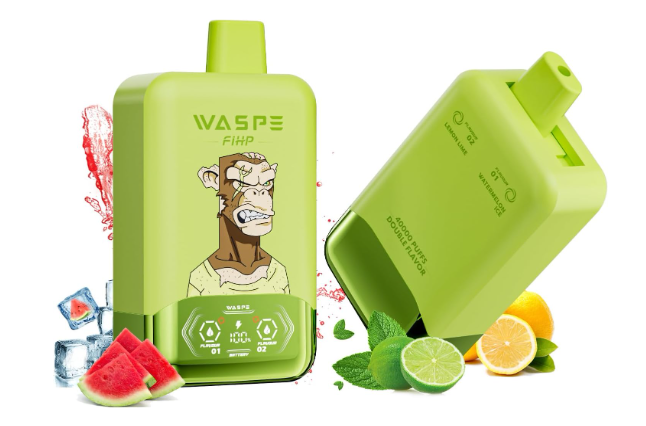
The truth is: vape taste isn’t random. It’s shaped by real, controllable factors—from your device to your e-liquid and how you use it. Whether you’re new to vaping or have been at it for a while, understanding these elements can help you avoid bad experiences and enjoy a consistently great vape.
The 4 Main Ways We Judge Vape Quality
When people say an e-cigarette “tastes good,” they usually mean it scores well in four key areas:
-
Vapor production – Is the cloud light and airy or thick and dense?
-
Throat hit – Do you feel a gentle (or strong) tickle in the back of your throat?
-
Flavor accuracy – Does strawberry actually taste like strawberry? Is mint refreshingly cool?
-
Aroma quality – Does it smell clean and pleasant, or artificial and chemical-like?
Think of it like coffee: water temperature, bean freshness, grind size, and brewing method all change the final cup. Vaping works the same way.
5 Key Factors That Shape Your Vape’s Taste
1. Device Design Matters
Pod systems, disposable vapes, and box mods all have different airflow paths and coil setups. Tight airflow = stronger flavor but less vapor. Loose airflow = smoother draw but potentially weaker taste.
✅ Tip: If flavor is your priority, look for devices with adjustable airflow.
2. E-Liquid Ingredients (PG/VG, Nicotine & Flavorings)
-
PG (Propylene Glycol) carries flavor better and creates that classic “throat hit.”
-
VG (Vegetable Glycerin) produces big, soft clouds and a sweeter mouthfeel.
-
Nicotine level directly affects throat sensation—higher nicotine = stronger hit.
-
Flavor quality varies widely. Cheap flavorings often taste artificial or bitter over time.
✅ Common blends:
3. Coil Material Changes the Game
Most coils use kanthal, stainless steel, or nickel. Each heats differently, affecting flavor purity and ramp-up speed. Stainless steel coils, for example, often deliver cleaner, more neutral taste.
4. Temperature (or Wattage) Is Crucial
Too low → flavors don’t fully vaporize → weak, watery taste.
Too high → cotton burns → harsh, ashy aftertaste.
✅ Sweet spot: Most pre-built coils perform best between 15W–25W, but always check the manufacturer’s recommendation.
5. Battery Health & Power Output
A dying or low-quality battery can’t deliver consistent power. Result? Faint flavor, thin vapor, or even gurgling/popping sounds
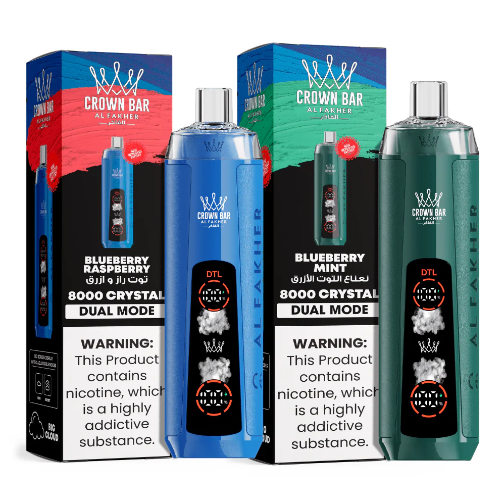
Common Vape Taste Problems — And How to Fix Them
|
Problem
|
Likely Cause
|
Quick Fix
|
|
Weak or faded flavor
|
Old e-liquid, worn-out coil, low wattage
|
Replace coil, use fresh juice, increase power slightly
|
|
Too little throat hit
|
Low nicotine, high VG, low PG
|
Try higher-nicotine or PG-rich e-liquid
|
|
Harsh or painful throat hit
|
Too much nicotine, high wattage, menthol flavors
|
Lower nicotine, reduce power, switch to milder flavors
|
|
Burnt or bitter taste
|
Dry hit, old coil, chain-vaping
|
Prime new coils, let the wick soak, avoid rapid puffing
|
|
Low vapor production
|
Low VG, weak battery, clogged coil
|
Use high-VG juice, charge your device, replace coil
|
Final Thoughts: Great Taste Comes from Balance
A satisfying vape isn’t about one magic ingredient—it’s the right combination of device, e-liquid, and settings. Once you understand how these pieces fit together, you’ll spend less time troubleshooting and more time enjoying your favorite flavors.
Important reminder: Vaping is intended for adult smokers seeking alternatives. It is not risk-free. Never use if you’re under 21 (or the legal age in your country), pregnant, or a non-smoker.